
Introduce your students to the cultural importance of coffee in Costa Rica and Colombia—an everyday beverage that reflects history, identity, and national pride. Your students will:
Spanish Lesson Plan
Teacher’s Guides with Full Lesson Plan
Printable Student Worksheets
Lesson Plan Summary
Engage your Spanish students in a real-world cultural discussion about coffee as national heritage in Costa Rica and Colombia.
In this lesson, students will explore how coffee has shaped Costa Rica’s economic development, rural traditions, and everyday cultural practices. Additionally, they will examine Colombia’s internationally recognized Coffee Cultural Landscape and the country’s recent declaration of coffee as its national beverage, analyzing how official recognition reinforces cultural pride and historical legacy. By reading articles and cultural sources, students will evaluate the criteria, impact, and significance of heritage recognition.
After evaluating the sources, students will compare the role of coffee in both nations and discuss whether Costa Rican coffee should be officially recognized as part of the country’s cultural heritage.
Overview of the Topic
Coffee as Culture and Identity
Coffee is much more than a beverage in Latin America. In fact, it represents history, identity, economic development, and tradition.
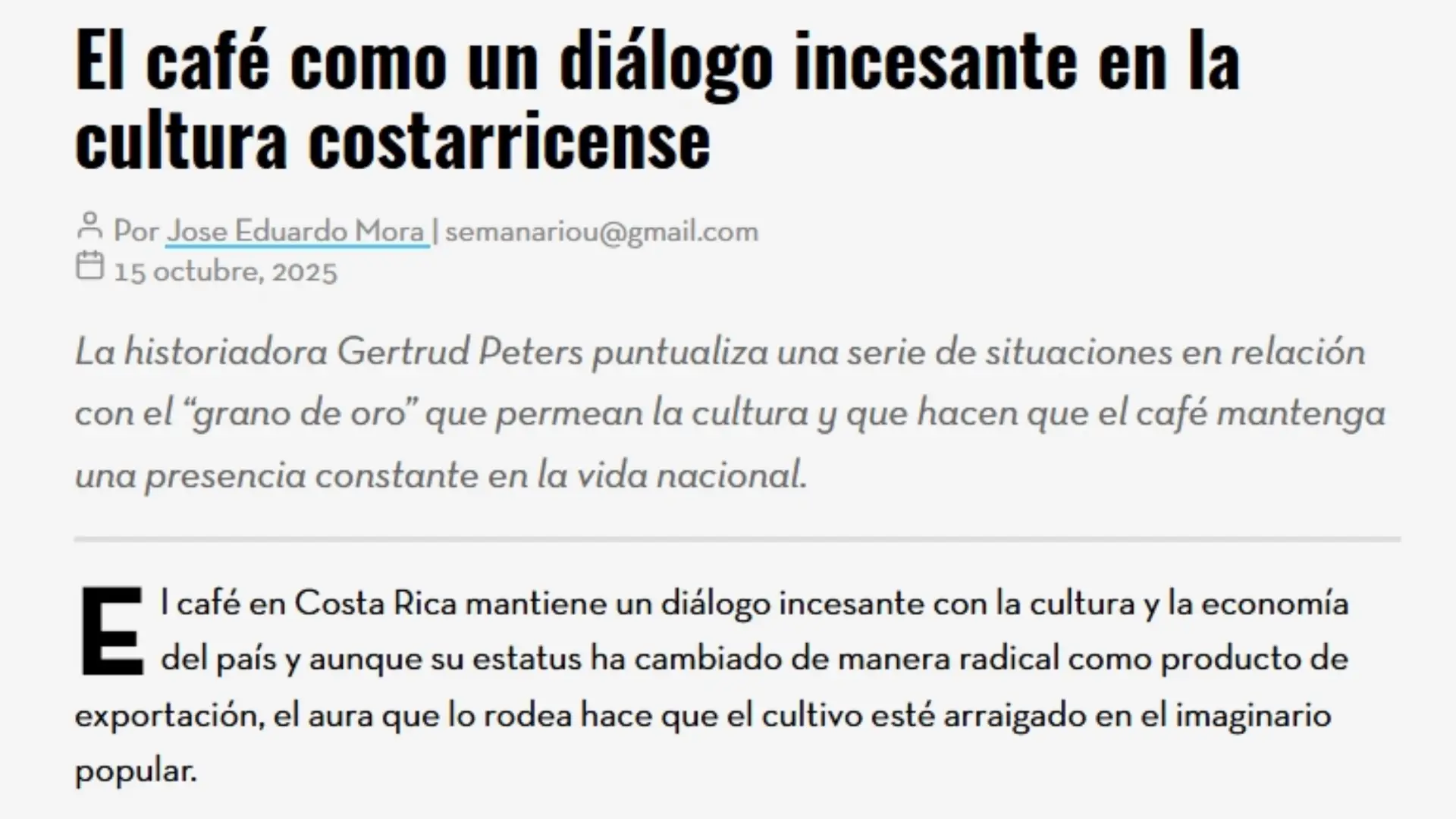
In Costa Rica, coffee exports helped finance national development during the nineteenth century.1 As a result, coffee production shaped the country’s social and economic foundations.
Even today, coffee traditions remain closely connected to community life and everyday social interaction.
Coffee and National Recognition
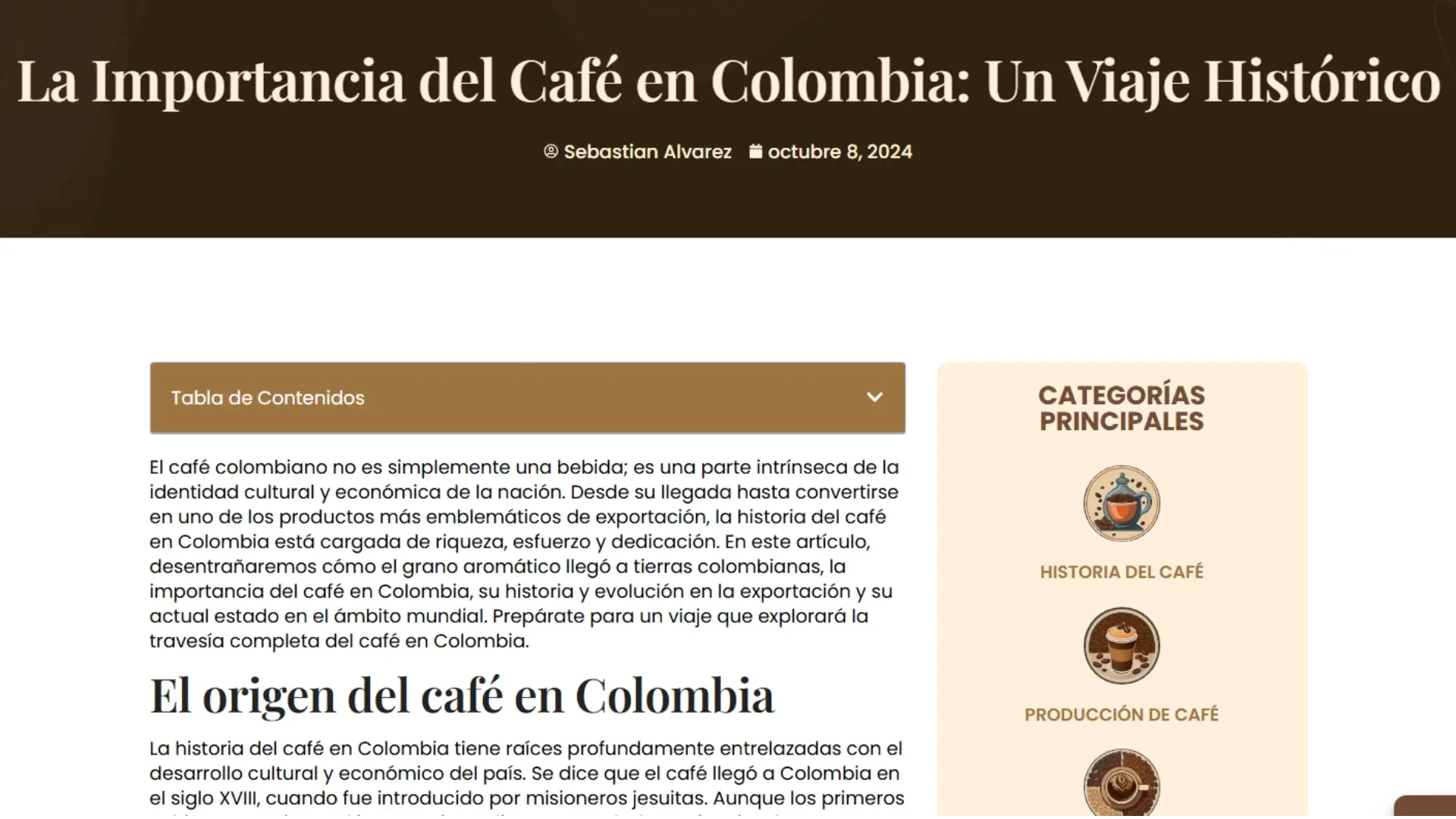
In Colombia coffee is not only one of the country’s most important exports.2 Recently, it was also declared the national beverage by law, reinforcing its symbolic importance in Colombian culture.3
In addition, UNESCO recognized Colombia’s Coffee Cultural Landscape as a World Heritage Site. This recognition highlights the unique relationship between coffee cultivation, rural communities, and traditional agricultural practices. Together, these elements have shaped the region’s cultural identity for generations.
Classroom Activity
Students compare the historical development of coffee, its role in rural communities and agricultural traditions, its cultural significance, and its economic importance. After analyzing these elements, students answer an essential question: Should Costa Rican coffee receive official national heritage recognition similar to Colombia’s UNESCO-recognized coffee heritage region?
Through this activity, students strengthen critical thinking, cultural literacy, and global awareness. At the same time, they gain a deeper understanding of coffee’s importance in both countries.
1. Division of Roles
Students work in pairs. Each pair includes:
Student A – Costa Rica
This student researches:
• The historical importance of coffee in Costa Rica
• How coffee shaped the country’s economy and society
• Cultural traditions and social practices related to coffee
Student B – Colombia
This student researches:
• The history of coffee in Colombia
• The global reputation of Colombian coffee
• Coffee as part of Colombian cultural identity
2. Research and Pair Exchange
After reading the articles provided, each student completes the comparison chart for their assigned country.
• The historical origins and development of coffee production in Costa Rica and Colombia
• The role of coffee in shaping rural communities and agricultural traditions
• The cultural significance of coffee in everyday life and social interactions
• The economic importance of coffee for national development
Every student then shares their findings with a classmate orally in Spanish. While listening, the partner takes notes and completes the other country’s section of their comparison chart. By the end of this exchange, both students should have a fully completed comparison chart.
3. Class Discussion
After completing the comparison chart, students discuss their findings as a class. The teacher guides the conversation using the discussion questions below:
- How did coffee production develop historically in Costa Rica and Colombia?
- How has coffee shaped rural communities and agricultural traditions?
- How is coffee connected to everyday cultural practices and social interaction?
- Why is coffee economically important for both countries?
- What similarities and differences exist between the role of coffee in Costa Rica and Colombia?
4. Final Vote
After the discussion, students vote on the final question:
Should Costa Rican coffee receive official national heritage recognition similar to Colombia’s UNESCO-recognized coffee heritage region?
At the end, students should briefly explain their reasoning using the information gathered from the articles and the comparison chart.
Take Your Students to Costa Rica
Bring this lesson to life through our Spanish immersion program in Heredia, Costa Rica—an unforgettable academic travel experience.
Take advantage of our special offer starting at $2,395 and give your students the opportunity to experience Costa Rican culture and language firsthand.

Lesson Resources
Articles
- Instituto del Café de Costa Rica (ICAFE). (n.d.). Historia del café en Costa Rica. https://www.icafe.cr/nuestro-cafe/historia/
- Alvarez, S. (2024). La Importancia del Café en Colombia: Un Viaje Histórico. Cafes de Colombia. https://cafesdecolombia.co/la-importancia-del-cafe-en-colombia/
- El Marinillo. (2025). El café ya es oficialmente nuestra bebida nacional: una declaratoria que honra a quienes lo cultivan y lo comparten con el mundo. https://elmarinillo.co/marinilla/el-cafe-ya-es-oficialmente-nuestra-bebida-nacional-una-declaratoria-que-honra-a-quienes-lo-cultivan-y-lo-comparten-con-el-mundo.html
- Mora, J. E. (2025). El café como un diálogo incesante en la cultura costarricense. Semanario Universidad. https://semanariouniversidad.com/cultura/el-cafe-como-un-dialogo-incesante-en-la-cultura-costarricense/

Leave a comment